
Blog Details

Pyramids of Giza
-
Who Built the Pyramids of Giza?
The Pyramids of Giza were built by the ancient Egyptians during the Fourth Dynasty of the Old Kingdom (around 2600–2500 BC). Contrary to old myths, they were not built by slaves.
Instead, they were constructed by skilled Egyptian workers, engineers, architects, stonemasons, and seasonal laborers who were paid and provided with food and housing in nearby worker villages. -
Why Were the Pyramids of Giza Built?
The pyramids were built as royal tombs for powerful pharaohs.
Ancient Egyptians believed in an afterlife, and the pyramid served as:-
A resting place for the pharaoh’s body
-
A gateway for the king’s soul to ascend to the gods
-
A symbol of power and divine connection
-
A storage space for treasures, food, and items needed in the afterlife
Their shape represented the sun’s rays, connecting the pharaoh with the sun god Ra.
-
-
What Are the Names of the Pyramids of Giza?
There are three main pyramids on the Giza Plateau, each built for a different pharaoh:
a. The Great Pyramid of Khufu (Cheops)
-
Largest pyramid ever built in Egypt
-
Originally 146 meters tall
-
Built for Pharaoh Khufu
-
Contains the King’s Chamber and sophisticated internal passages
-
Considered one of the Seven Wonders of the Ancient World
b. The Pyramid of Khafre (Chephren)
-
Second largest pyramid
-
Built for Khafre, Khufu’s son
-
Appears taller because it sits on higher ground
-
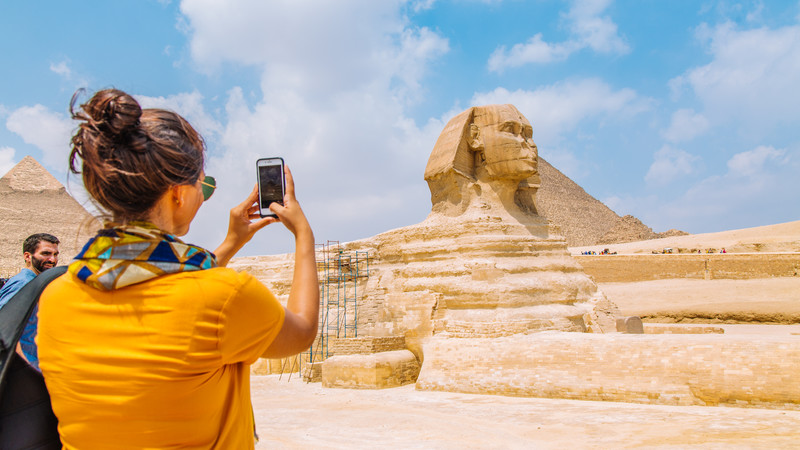
Famous for being connected to the Great Sphinx, believed to represent Khafre himself
c. The Pyramid of Menkaure
-
Smallest of the three pyramids
-
Built for Menkaure, Khafre’s son
-
Known for its complex temple structures
-
Its granite casing stones show high craftsmanship
-
-
How Did the Ancient Egyptians Build the Pyramids?
Although there are many theories, archaeologists believe they used:
-
Massive limestone and granite blocks
-
Ramps (straight or circular) to lift stones
-
Copper tools for cutting
-
Teams of workers organized with high precision
The construction displayed remarkable architectural knowledge, alignment with the stars, and advanced engineering.
-
-
What Is Special About the Pyramids of Giza?
The pyramids are famous for:
-
Perfect alignment with cardinal directions
-
Mathematical precision and geometry
-
Survival for more than 4,500 years
-
Their role as an eternal symbol of ancient Egypt
-
Being a UNESCO World Heritage Site
They continue to attract scholars, tourists, and history lovers from around the world.
-
.
The Pyramids of Giza stand as one of the world’s most iconic archaeological wonders, rising from the desert sands just outside modern-day Cairo. Built over 4,500 years ago, these ancient structures—including the Great Pyramid of Khufu, the Pyramid of Khafre, and the Pyramid of Menkaure—continue to fascinate historians, travelers, and researchers. Their precise engineering, massive scale, and mysterious origins showcase the remarkable skill and ambition of ancient Egyptian civilization. Whether you’re exploring their history or planning a visit, the Pyramids of Giza remain a powerful symbol of human ingenuity and cultural heritage..
Blog Categories
ARTICLES
Related Articles

5 Days Cairo, Luxor & Abu Simbel Tour Pyramids of Giza
The Pyramids of Giza stand as one of the world’s most iconic archaeological wonders, rising from the desert sands just outside modern-day Cairo. Built over 4,500 years ago, these ancient structures—including the Great Pyramid of Khufu, the Pyramid of Khafre, and the Pyramid of Menkaure—continue to fascinate historians, travelers, and researchers. Their precise engineering, massive scale, and mysterious origins showcase the remarkable skill and ambition of ancient Egyptian civilization. Whether you’re exploring their history or planning a visit, the Pyramids of Giza remain a powerful symbol of human ingenuity and cultural heritage.
Read More